



January 7, 2026
Cutting energy costs through smarter procurement
ca.
1
Minuten Lesezeit
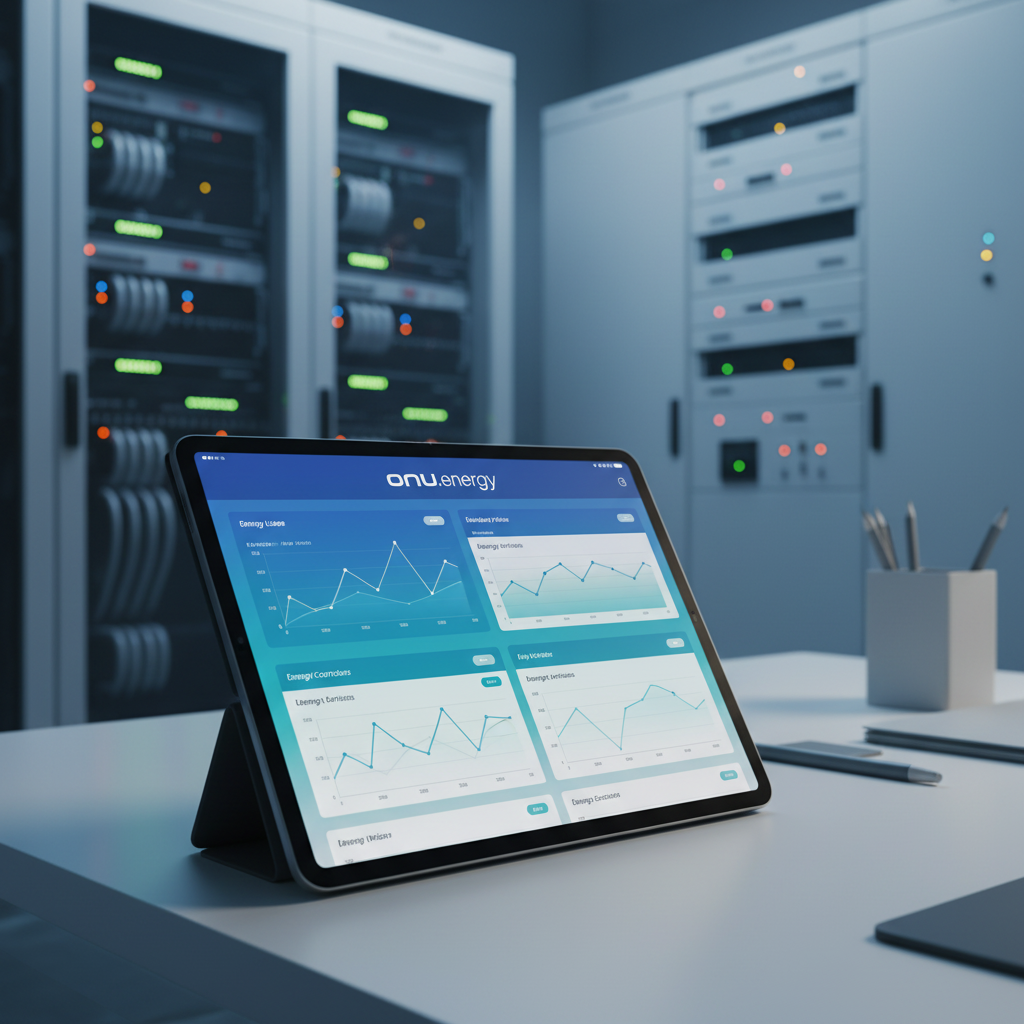
Smarter procurement: structure volatility instead of ignoring it
Flexible contracts and market access only help when it is clear which volumes are covered when, and at what risk. Without that transparency, “smart” tools quickly become luck with a better vocabulary.
The core is a repeatable decision chain: data baseline, target corridor, tranching, documentation. That is also what makes automated or semi-automated triggers defensible.
Expertise versus software
External expertise speeds up regulatory learning curves; software scales analysis and scenarios. Roles should be separated cleanly so conflicts of interest do not dilute recommendation quality.
Which structural bottlenecks mid-market teams typically face without an integrated data layer is summarised in our article on mid-market energy procurement.
Technology as consolidation layer
Monitoring alone is not enough. What matters is whether consumption, prices, and contracts run in one model that makes tranches and risk explicit.
How to move from Excel silos to robust control is illustrated in the Flender transformation.
Conclusion
Smart procurement is less a tool catalogue than a disciplined combination of data, process, and market access. Build that, and you cut costs more robustly than with one-off deals.
